
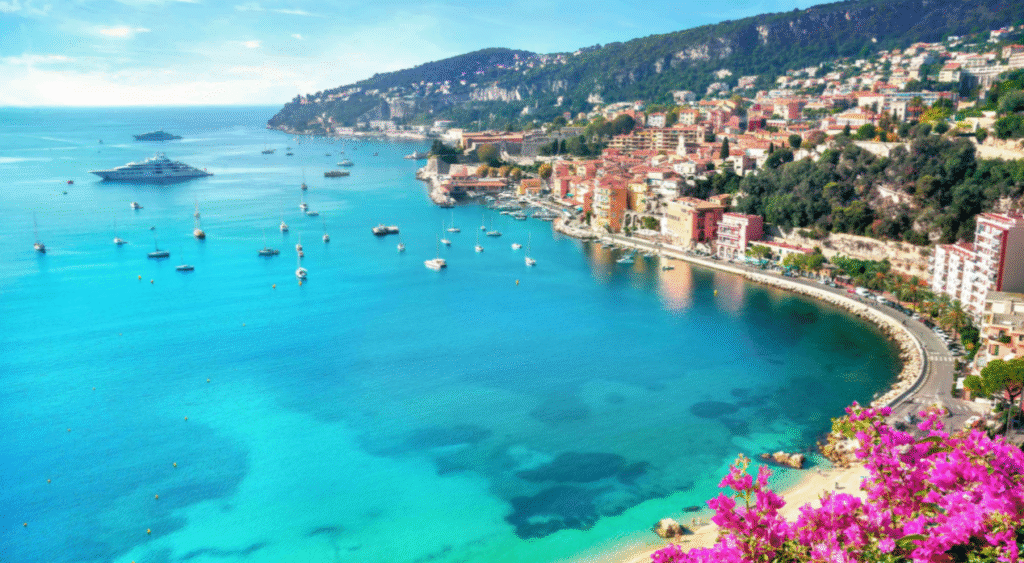
The French Riviera, known as the Côte d’Azur, is a region of stunning Mediterranean coastline, glamorous cities, and picturesque villages. Stretching from the Italian border to Saint-Tropez, this destination is famous for its luxury, history, and natural beauty. Whether visiting historic towns, enjoying local cuisine, or exploring breathtaking landscapes, there is something for every traveler. This guide provides essential information on transportation, accommodations, attractions, and practical tips to make the most of a trip to the French Riviera.
Best Time to Visit the French Riviera
The French Riviera enjoys a mild Mediterranean climate, making it a year-round destination. The summer months from June to August bring warm temperatures, ideal for beachgoers and festival enthusiasts. However, this is also the peak season, leading to higher prices and crowded attractions.
Spring (April to June) and fall (September to October) offer pleasant weather, fewer crowds, and lower prices. This is a great time to visit if the goal is to enjoy outdoor activities, sightseeing, and local markets. Winter months (November to March) are cooler, but some areas, such as Nice and Cannes, remain lively with cultural events and holiday celebrations.

How to Get to the French Riviera
The main gateway to the French Riviera is Nice Côte d’Azur Airport, which serves international and domestic flights. From Nice, travelers can reach destinations along the coast by train, bus, or car. Other airports in the region include Toulon-Hyères Airport and Marseille-Provence Airport, which provide access to the western Riviera.
For those traveling from within France or neighboring countries, high-speed TGV trains connect cities like Paris and Lyon to Nice, Cannes, and Antibes. The scenic train route along the coast provides spectacular views of the Mediterranean.
Driving along the A8 motorway is another option for travelers who prefer the flexibility of a car. Renting a car allows for easy access to small villages and scenic coastal roads. However, parking can be expensive and limited in city centers.
Getting Around the French Riviera
By Train
The TER regional train network connects major cities and towns along the Riviera, including Nice, Monaco, Antibes, Cannes, and Menton. Trains are frequent, affordable, and offer a scenic way to explore the coastline. Tickets can be purchased at stations or online.
By Bus
Local buses run between towns and offer an economical way to travel. The Lignes d’Azur network covers Nice and surrounding areas, while Zou! buses connect cities further along the coast.
By Car
Renting a car provides access to hidden gems, hilltop villages, and less-visited beaches. However, city driving can be challenging due to narrow streets and limited parking. Toll roads (autoroutes) require payment, so having a toll pass or change is useful.
By Boat
Ferries and private boat tours offer a unique way to explore coastal areas. Regular ferry routes operate between Nice, Monaco, Cannes, and Saint-Tropez. Private boat rentals and yacht charters provide opportunities to explore hidden coves and offshore islands.

Top Destinations in the French Riviera
Nice
Nice is the largest city in the French Riviera and serves as a cultural and economic hub. The Promenade des Anglais stretches along the coastline, offering stunning views of the Mediterranean. The Old Town (Vieux Nice) features narrow streets, vibrant markets, and historic landmarks such as Cours Saleya and Sainte-Réparate Cathedral. The Marc Chagall National Museum and Matisse Museum showcase works by renowned artists who lived in Nice.

Monaco
Monaco is a small but luxurious principality known for its casinos, yachts, and prestigious events. The Monte Carlo Casino is an iconic landmark, while the Prince’s Palace offers tours of the royal residence. The Oceanographic Museum features marine exhibits, and the Monaco Grand Prix attracts motorsport enthusiasts. Visitors can also explore the gardens and scenic viewpoints overlooking the Mediterranean.

Cannes
Cannes is synonymous with film, luxury, and sandy beaches. The Palais des Festivals hosts the annual Cannes Film Festival, attracting international celebrities. The La Croisette promenade is lined with designer shops, luxury hotels, and private beaches. For a quieter experience, visitors can take a boat to the Lérins Islands, known for their clear waters and historical sites.

Antibes
Antibes combines artistic heritage with coastal beauty. The Picasso Museum houses works by the famous painter, who once lived in the town. The Old Town features charming streets, traditional markets, and the Marché Provençal, where visitors can sample local produce. The Cap d’Antibes peninsula offers scenic coastal trails and secluded beaches.

Saint-Tropez
Saint-Tropez is famous for its glamorous nightlife, luxury yachts, and stunning beaches. The Old Port is a lively area with cafés, boutiques, and art galleries. Plage de Pampelonne is one of the region’s most famous beaches, known for its beach clubs and crystal-clear waters. The Citadel of Saint-Tropez provides historical insight and panoramic views of the coastline.

Menton
Menton is a picturesque town near the Italian border, known for its colorful buildings and lush gardens. The Jardin Serre de la Madone and Jardin Botanique Val Rahmeh showcase exotic plants. The Basilica of Saint-Michel-Archange dominates the skyline, while the Lemon Festival, held in February, is a major cultural event.

Best Beaches in the French Riviera
- Paloma Beach (Saint-Jean-Cap-Ferrat) – A secluded cove with clear turquoise waters.
- Plage de la Garoupe (Antibes) – A scenic beach with white sand and calm waves.
- Plage Mala (Cap d’Ail) – A hidden gem surrounded by cliffs.
- Plage de Pampelonne (Saint-Tropez) – A long stretch of sandy shoreline with beach clubs.
- Villefranche-sur-Mer Beach – A quiet alternative near Nice with shallow waters.
Food and Wine in the French Riviera
The French Riviera is known for Mediterranean cuisine, seafood, and Provençal flavors. Local specialties include salade niçoise, ratatouille, bouillabaisse, and socca (a chickpea pancake popular in Nice). Markets such as Cours Saleya in Nice and Forville Market in Cannes offer fresh produce, cheeses, and regional delicacies.
Wine lovers can visit vineyards in Provence and Bellet, where rosé and white wines are produced. Many restaurants along the coast offer outdoor seating with sea views, enhancing the dining experience.

Practical Tips for Traveling the French Riviera
- Currency: The euro (€) is used, and credit cards are widely accepted.
- Language: French is the official language, but English is spoken in tourist areas.
- Safety: The region is generally safe, but precautions should be taken against pickpocketing in crowded areas.
- Tipping: A service charge is included in restaurant bills, but small tips are appreciated for exceptional service.
- Power outlets: The standard voltage is 230V, with Type E plugs.